305-665-2820
Emergency & Appointments
Open 24-Hours
24 / 7 / 365 Days Year
8601 Sunset Dr. Miami, Fl.
Hospital Location
305-665-2820
Emergency & Appointments


Miami summers can be tough on pets. Between high temperatures, heavy humidity, hot pavement, afternoon storms, pool time, beach days, and year-round parasite exposure, dogs and cats can face several seasonal risks. Even pets that seem healthy can become overheated, dehydrated, anxious, or injured quickly when conditions change.
For pet owners in South Florida, summer safety is not just about avoiding the hottest days. It is about understanding how heat, humidity, outdoor activity, water exposure, and seasonal hazards can affect your pet’s health. With the right precautions, you can help reduce your pet’s risk and know when it is time to seek veterinary care.
Hydration is one of the most important parts of summer pet safety. Dogs cool themselves mainly by panting, and cats may groom more or seek cooler surfaces when they feel warm. In Miami’s humid climate, cooling can become harder because moisture in the air makes it more difficult for heat to leave the body.
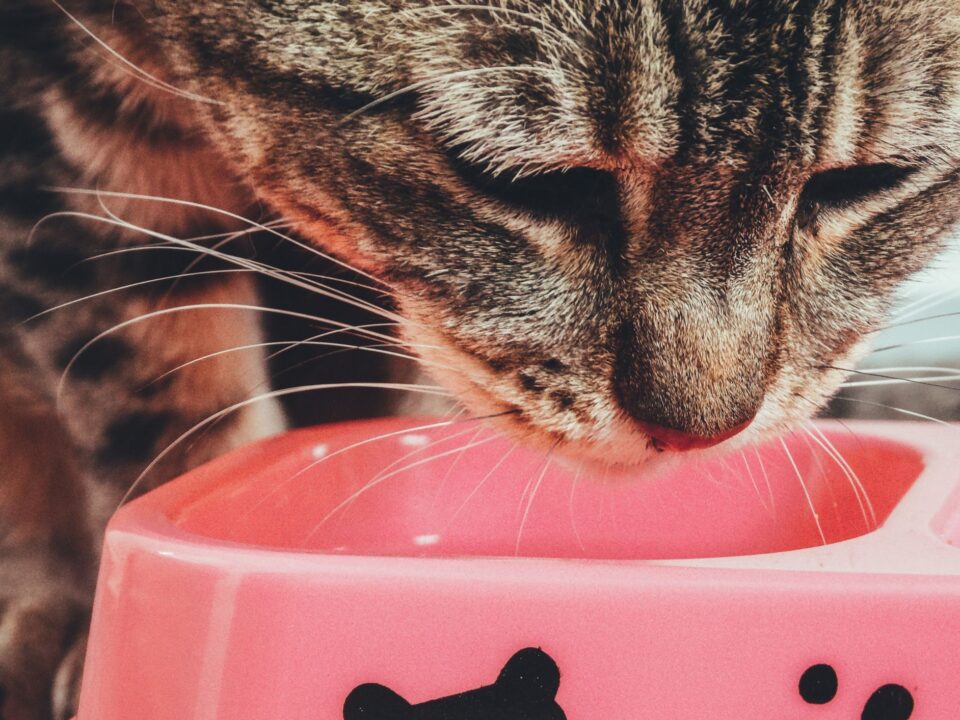
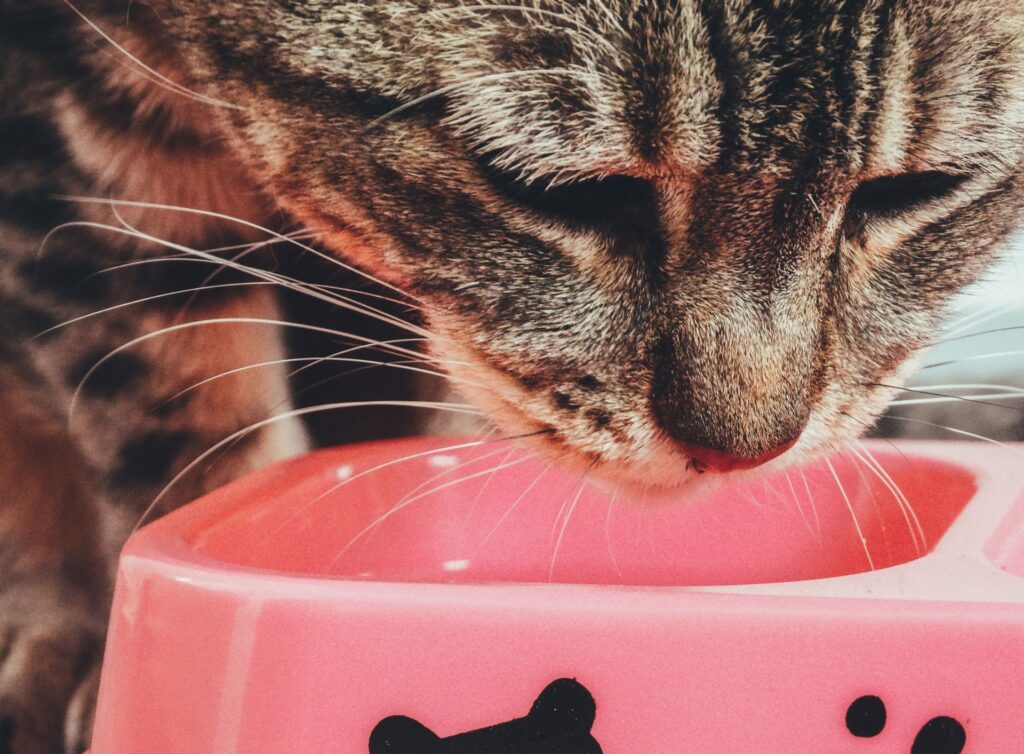
Make sure your pet always has access to clean, fresh water. Keep multiple bowls around the home, especially if your pet spends time on a patio, balcony, or in a fenced yard. If you walk your dog, bring water and a travel bowl, even for short outings. Pets that are older, overweight, flat-faced, very young, or living with heart, respiratory, or endocrine conditions may be more sensitive to heat and may need extra care.
Signs of dehydration may include dry gums, thick saliva, weakness, sunken eyes, excessive panting, or loss of energy. If your pet seems weak, disoriented, or unable to cool down, contact a veterinarian right away.
A parked car can become dangerous in minutes, even if the windows are cracked or the car is sitting in partial shade. Interior temperatures rise quickly and can put pets at serious risk for heatstroke. In Miami, this danger is even greater because warm temperatures and direct sun are common for much of the year.
If you are running errands, the safest choice is to leave your pet at home in the air conditioning. A quick stop can take longer than expected, and pets cannot regulate heat the same way people can. Heatstroke is a medical emergency and can cause organ damage, collapse, seizures, or death without urgent treatment.
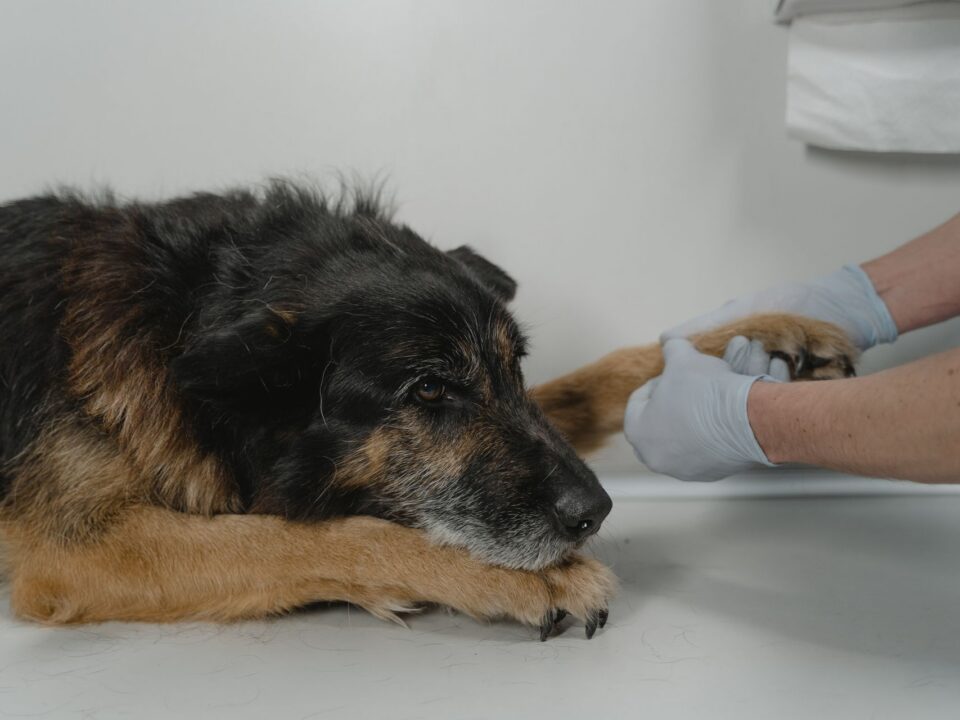
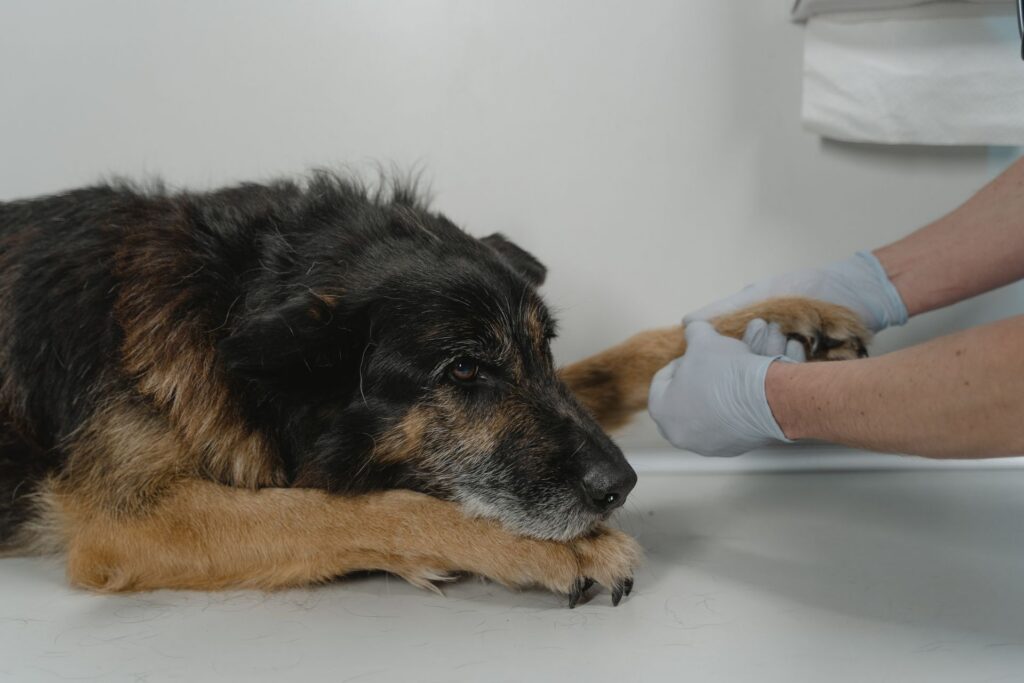
Sidewalks, asphalt, parking lots, and sand can become hot enough to burn paw pads. Dogs may not show pain immediately, especially if they are excited, anxious, or focused on the walk. Paw pad burns can cause limping, licking, redness, blisters, or reluctance to walk.
Try to walk your dog early in the morning or later in the evening when surfaces are cooler. Choose grass or shaded paths whenever possible. A simple way to check pavement is to place the back of your hand on the surface for several seconds. If it is too hot for your hand, it is too hot for your dog’s paws.
Heatstroke can happen quickly and should always be treated as an emergency. Dogs and cats can overheat during walks, outdoor play, car rides, beach trips, or even time spent in a warm room without enough ventilation.
Warning signs in dogs may include heavy panting, drooling, weakness, vomiting, diarrhea, bright red or dark gums, stumbling, collapse, or seizures. In cats, open-mouth breathing or panting is especially concerning. Cats may also show rapid breathing, lethargy, drooling, hiding, weakness, or collapse.
If you think your pet is overheating, move them to a cool area immediately and call a veterinarian. You can use cool water, not ice water, to help lower body temperature while seeking guidance. Do not wait to see if symptoms improve on their own.
Many Miami pets spend time near pools, beaches, canals, or boats, but water safety is still important. Not all dogs are strong swimmers, and some breeds tire quickly or have difficulty keeping their head above water. Cats can also fall into pools or outdoor water features and struggle to escape.
Never leave pets unsupervised around water. If your dog swims, consider a properly fitted life jacket, especially for boating or beach outings. After swimming, rinse your pet to remove chlorine, salt, sand, or other irritants from the skin and coat. Do not allow pets to drink pool water or ocean water, which can lead to stomach upset, dehydration, or more serious problems if large amounts are swallowed.
Summer often brings more outdoor exposure, which can increase the risk of toxins. Lawn chemicals, fertilizers, pesticides, pool products, citronella items, certain plants, and cleaning supplies can all be dangerous if pets lick, inhale, or ingest them.
Backyard gatherings can also create risks. Common foods such as onions, garlic, grapes, raisins, chocolate, alcohol, fatty meats, corn cobs, and cooked bones can cause serious health problems. Keep trash bags, food plates, skewers, and grill tools away from pets.
If you think your pet may have eaten something toxic, do not wait for symptoms. Call a veterinarian or pet poison hotline immediately for guidance.
Fleas, ticks, mosquitoes, and intestinal parasites are a concern in South Florida throughout the year, but summer conditions can increase exposure. Mosquitoes can transmit heartworm disease, while fleas and ticks can cause irritation, skin infections, anemia, and other health problems.
Even indoor pets can be exposed when parasites enter the home on shoes, clothing, screens, other pets, or open doors. Talk to your veterinarian about year-round parasite prevention that is appropriate for your dog or cat. Never use dog parasite prevention products on cats unless your veterinarian specifically says it is safe.
It may seem helpful to shave a pet during the summer, but this is not always the best choice. A pet’s coat can help protect the skin from sun exposure and support natural temperature regulation. Shaving certain breeds, especially double-coated dogs, can interfere with the coat’s ability to function properly and may increase the risk of sunburn.
Regular brushing is usually a better option because it removes loose fur and helps air circulate through the coat. Pets with mats, skin conditions, heavy coats, or grooming challenges may need professional grooming or veterinary guidance.
Miami summers often bring thunderstorms, fireworks, loud gatherings, and changes in routine. Some pets become extremely anxious during loud noises. They may hide, shake, pant, pace, vocalize, try to escape, or injure themselves attempting to get away.
Create a quiet, secure indoor space before storms or fireworks begin. Close windows and doors, use white noise or calming music, and make sure your pet has identification in case they escape. If your pet has severe noise anxiety, speak with your veterinarian before the next storm or holiday event. Waiting until your pet is already panicking can make the situation harder to manage.
Some summer symptoms should never be ignored. Contact an emergency veterinarian if your pet has trouble breathing, collapses, has a seizure, cannot stand, vomits repeatedly, has severe diarrhea, appears disoriented, shows signs of heatstroke, has a burn, ingests a toxin, or seems painful after swimming, walking, or outdoor activity.
Miami Veterinary Specialists provides emergency and specialty veterinary care for pets with urgent or complex medical needs. If your pet is showing serious symptoms or you are unsure whether the situation is an emergency, call Miami Veterinary Specialists for guidance.
Summer can be a great time to enjoy life with your pet, but South Florida’s heat and seasonal risks require extra attention. By planning ahead, watching for warning signs, and acting quickly when something seems wrong, you can help keep your dog or cat safer during the hottest months of the year.