305-665-2820
Emergency & Appointments
Open 24-Hours
24 / 7 / 365 Days Year
8601 Sunset Dr. Miami, Fl.
Hospital Location
305-665-2820
Emergency & Appointments


A dog that suddenly refuses to jump, struggles to walk, or develops weakness in its back legs may be experiencing more than a minor injury. These symptoms can sometimes indicate intervertebral disc disease (IVDD), a spinal condition that affects the cushioning discs between the vertebrae.
IVDD can cause significant pain, mobility problems, and, in severe cases, paralysis. Although the condition can develop in dogs of different breeds and ages, certain breeds are particularly susceptible.
Understanding the early warning signs of IVDD and the treatment options available can help pet owners respond appropriately when spinal problems develop.
The spine contains a series of vertebrae separated by intervertebral discs. These discs help absorb shock and allow normal movement.
Intervertebral disc disease develops when one or more discs degenerate, bulge, or rupture. Damaged disc material can press against the spinal cord or nearby nerves, resulting in pain and neurological problems.
The severity of IVDD depends on several factors, including the location of the affected disc, the extent of spinal cord compression, and the degree of neurological damage.
Some dogs experience relatively mild discomfort, while others develop severe weakness or lose the ability to walk.
Although IVDD can affect almost any dog, breeds with relatively long backs and short legs are especially susceptible to certain forms of the disease.
Dachshunds are among the breeds most commonly associated with IVDD. Other predisposed breeds include Beagles, Pekingese, and similar dogs with inherited disc characteristics.
Larger breeds can also experience disc degeneration, although the underlying disease process may differ.
Age, genetics, and individual spinal health can influence the likelihood of developing disc problems.
Pet owners should be aware that IVDD can occur without an obvious traumatic injury. A dog may develop symptoms during an everyday activity or begin showing signs of discomfort without a clear explanation.
Symptoms vary depending on the affected region of the spine and the severity of the condition.
Dogs with IVDD may develop a hunched posture, tense abdominal muscles, or reluctance to move.
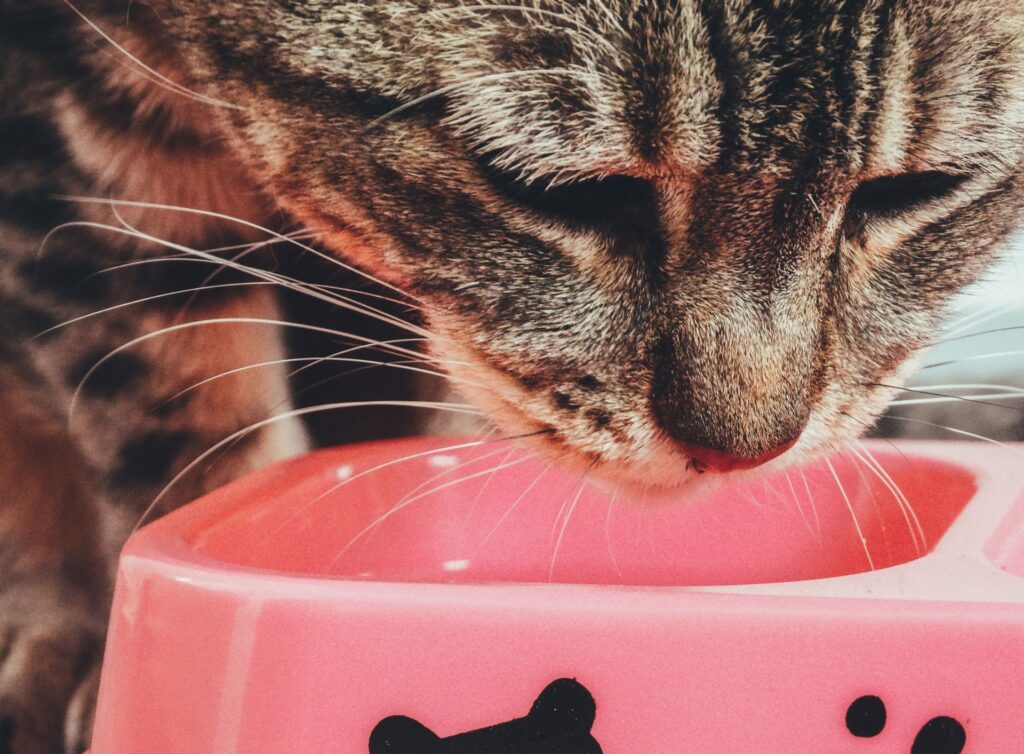
Some react when their backs or necks are touched, while others avoid turning their heads or lowering them toward food bowls.
Spinal cord compression can interfere with normal coordination.
A dog may begin walking unsteadily, crossing its hind legs, dragging its paws, or struggling to maintain balance.
These symptoms can worsen as neurological impairment progresses.
Severe IVDD may cause partial or complete loss of movement in the affected limbs.
Some dogs also lose normal bladder control or become unable to urinate independently.
Sudden weakness, inability to stand, or paralysis should always be treated as a veterinary emergency.
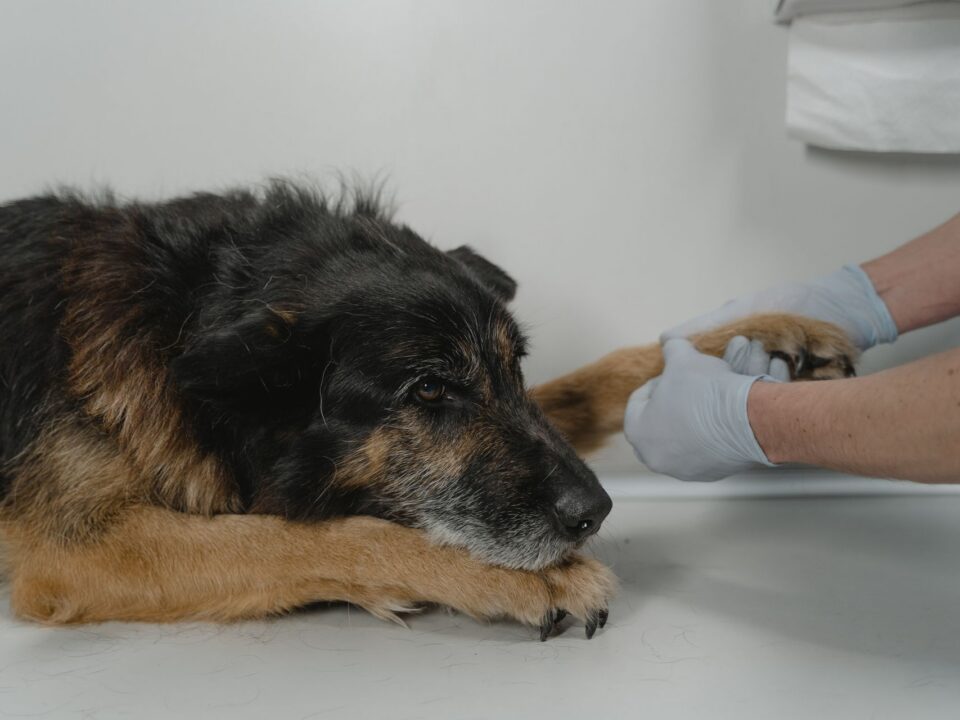
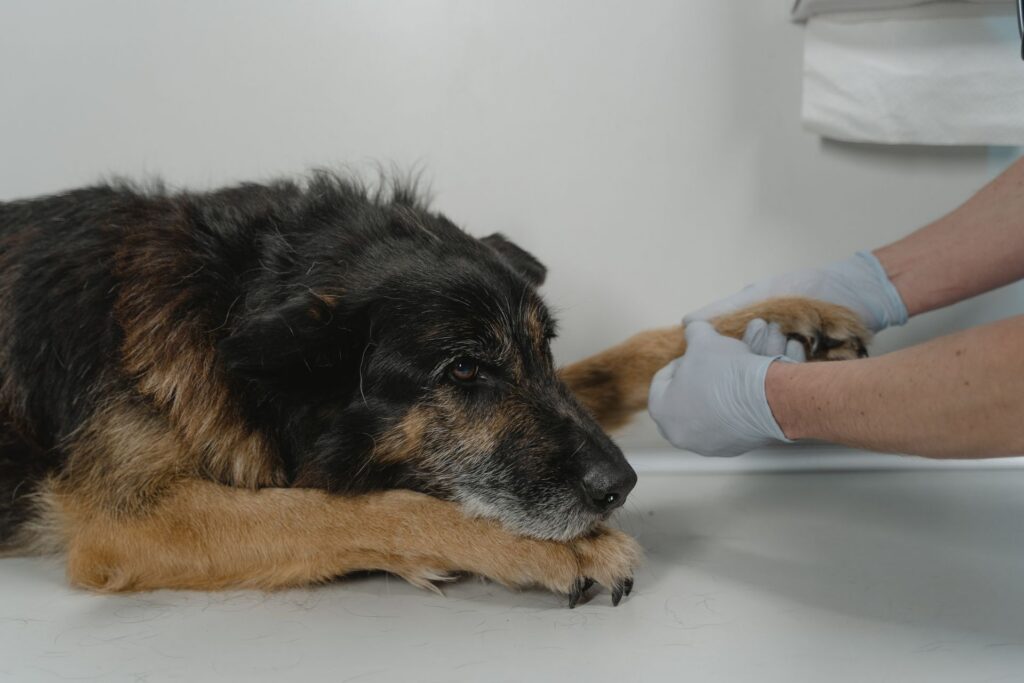
Diagnosing intervertebral disc disease begins with a physical and neurological examination.
A veterinarian may evaluate the dog’s posture, reflexes, coordination, pain response, and limb strength to determine which region of the nervous system may be affected.
Advanced imaging is often important when neurological symptoms suggest spinal cord compression.
Magnetic resonance imaging (MRI) can help identify damaged discs and evaluate the spinal cord. CT imaging may also be useful in certain situations.
These tests help veterinary specialists distinguish IVDD from other conditions that can cause similar symptoms.
Treatment recommendations depend on neurological function, symptom severity, diagnostic findings, and the dog’s overall health.
Dogs with mild symptoms and preserved neurological function may be candidates for nonsurgical treatment.
This typically involves strict activity restriction, prescribed medications, and careful monitoring.
Rest must be closely supervised because unrestricted movement can increase the risk of further injury.
Medical management should only be attempted under veterinary guidance.
Dogs experiencing significant neurological impairment, persistent pain, or severe spinal cord compression may require surgery.
The goal of surgical treatment is generally to remove disc material or otherwise relieve pressure on the spinal cord.
Procedures vary depending on where the affected disc is located.
A veterinary surgeon evaluates imaging results and neurological findings before recommending an appropriate surgical approach.
When severe neurological symptoms develop, rapid diagnosis and treatment can be particularly important.
Recovery depends on the severity of spinal cord injury and the treatment performed.
Dogs recovering from IVDD often require controlled activity, medication, and follow-up examinations.
Some patients benefit from veterinary rehabilitation designed to support mobility, muscle strength, and coordination.
Owners may also need to make temporary changes at home, such as restricting access to stairs, preventing jumping, or creating a comfortable recovery area.
Dogs with significant neurological injuries may require additional assistance with mobility or bladder management.
Recovery can take weeks or months, and the prognosis varies considerably between patients.
Not all cases of IVDD are preventable, particularly when genetic predisposition plays a major role.
However, maintaining a healthy body weight, encouraging appropriate exercise, and reducing unnecessary jumping may help support spinal health.
For dogs with a history of disc problems, veterinarians may recommend specific modifications to daily activities.
Pet owners should also monitor for recurring symptoms because additional disc problems can develop over time.
Spinal conditions require careful evaluation, particularly when dogs experience weakness, coordination problems, or sudden changes in mobility.
Miami Veterinary Specialists provides advanced diagnostic and specialty veterinary services for animals experiencing complex neurological conditions.
If your dog develops symptoms suggesting IVDD, prompt veterinary attention can help determine the extent of the problem and identify appropriate treatment options.
Contact Miami Veterinary Specialists to learn more about neurological evaluations, advanced imaging, and veterinary surgical services.