305-665-2820
Emergency & Appointments
Open 24-Hours
24 / 7 / 365 Days Year
8601 Sunset Dr. Miami, Fl.
Hospital Location
305-665-2820
Emergency & Appointments

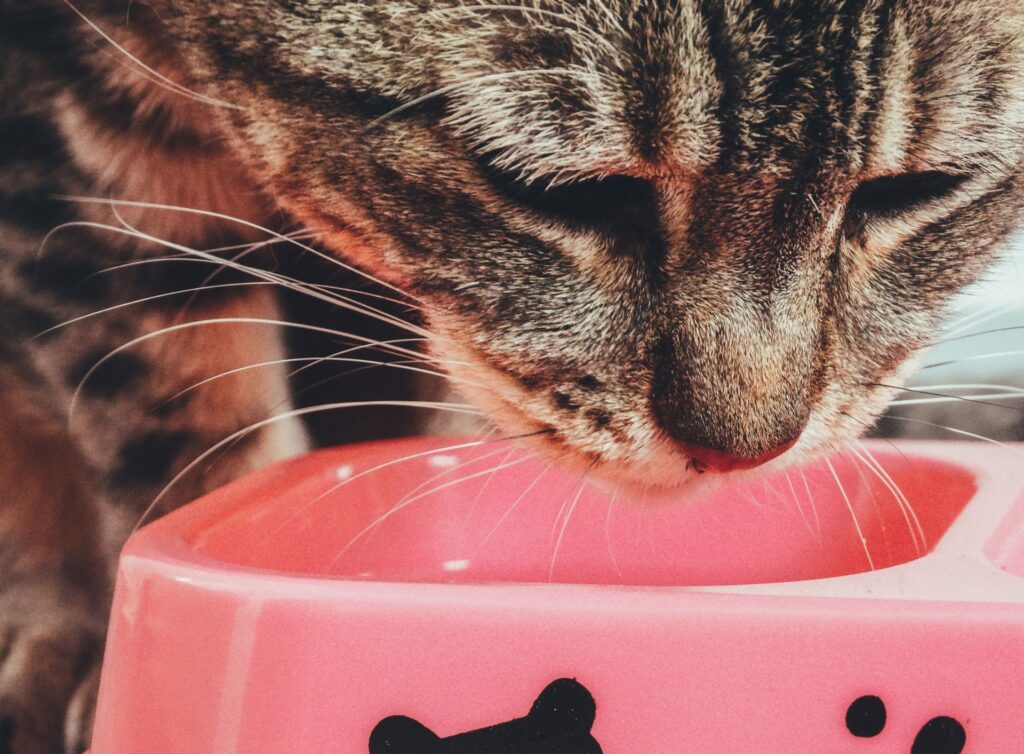
Cats can be particular about their food, but a sudden loss of appetite is not something pet owners should overlook. Whether your cat has stopped eating entirely or is consuming noticeably less food than usual, changes in eating habits can indicate an underlying health problem.
While some cats temporarily lose interest in food because of stress or changes in their environment, others may be experiencing dental pain, digestive disorders, infections, or more serious medical conditions. Unlike some other animals, cats can develop dangerous health complications when they go without adequate nutrition.
Understanding why cats stop eating and recognizing when veterinary attention is necessary can help prevent minor concerns from developing into serious medical emergencies.
A cat’s appetite can be influenced by physical health, emotional well-being, and environmental factors. Identifying the underlying cause is important because treatment varies depending on the condition.
Dental disease is a common reason cats experience difficulty eating. Inflamed gums, damaged teeth, oral infections, and tooth resorption can make chewing uncomfortable or painful.
Cats with dental problems may approach their food bowls but hesitate to eat. Some drop food while chewing, favor one side of their mouths, or develop excessive drooling.
Others continue eating despite significant dental discomfort, making oral health problems difficult to recognize without a veterinary examination.
Digestive disorders can cause nausea, abdominal discomfort, and reduced appetite in cats.
Conditions such as inflammatory bowel disease, pancreatitis, constipation, and gastrointestinal obstructions may interfere with normal eating habits.
Cats experiencing digestive problems may also develop vomiting, diarrhea, weight loss, or changes in activity.
Persistent gastrointestinal symptoms should be evaluated by a veterinarian to determine whether diagnostic testing or specialized treatment is necessary.
Kidney disease is a common medical concern in older cats and can contribute to changes in appetite.
As kidney function declines, waste products can accumulate in the bloodstream, potentially causing nausea, dehydration, and general discomfort.
Other symptoms may include increased thirst, frequent urination, weight loss, and reduced energy.
Although chronic kidney disease cannot typically be cured, veterinary treatment may help manage symptoms and support a cat’s quality of life.
Cats are sensitive to changes in their surroundings, and disruptions to their normal routines can affect their eating habits.
Moving to a new home, introducing another pet, changing feeding locations, or experiencing unfamiliar activity can cause stress.
Some cats also reject unfamiliar foods or become reluctant to eat when feeding areas feel unsafe.
However, pet owners should avoid automatically attributing appetite loss to stress. Medical conditions can produce similar behavioral changes, and veterinary evaluation may be necessary.
Cats rely heavily on their sense of smell when deciding whether to eat.
Upper respiratory infections can cause nasal congestion that interferes with their ability to detect food odors, reducing their interest in meals.
Affected cats may also experience sneezing, eye discharge, fever, or lethargy.
Young kittens, senior cats, and animals with existing medical conditions may be particularly vulnerable to complications from respiratory illness.
Cats have specific nutritional requirements, and prolonged periods without sufficient food can lead to serious complications.
One particularly concerning condition is hepatic lipidosis, commonly called fatty liver disease.
When a cat stops eating, its body begins mobilizing stored fat to provide energy. If excessive amounts of fat accumulate in the liver, normal liver function can become impaired.
Overweight cats are at increased risk, although hepatic lipidosis can affect cats of different body types.
The condition can become life-threatening without appropriate medical treatment.
Because nutritional deficiencies and dehydration can worsen existing illnesses, appetite loss should be addressed promptly rather than waiting several days for a cat to resume eating.
A healthy adult cat that has stopped eating should be evaluated by a veterinarian promptly.
If your cat has gone approximately 24 hours without eating, seek veterinary care. Kittens, elderly cats, and cats with existing medical conditions may require attention much sooner.
Even partial appetite loss can become concerning when it persists or accompanies other symptoms.
Pet owners should monitor food consumption carefully, particularly in households with multiple cats where it may be difficult to determine how much each animal is eating.
Loss of appetite becomes especially concerning when accompanied by other changes in health or behavior.
Symptoms that warrant prompt evaluation include:
Difficulty breathing, collapse, severe weakness, or suspected toxin exposure requires immediate emergency veterinary care.
Cats may conceal symptoms until an illness becomes advanced, making subtle changes in behavior particularly important.
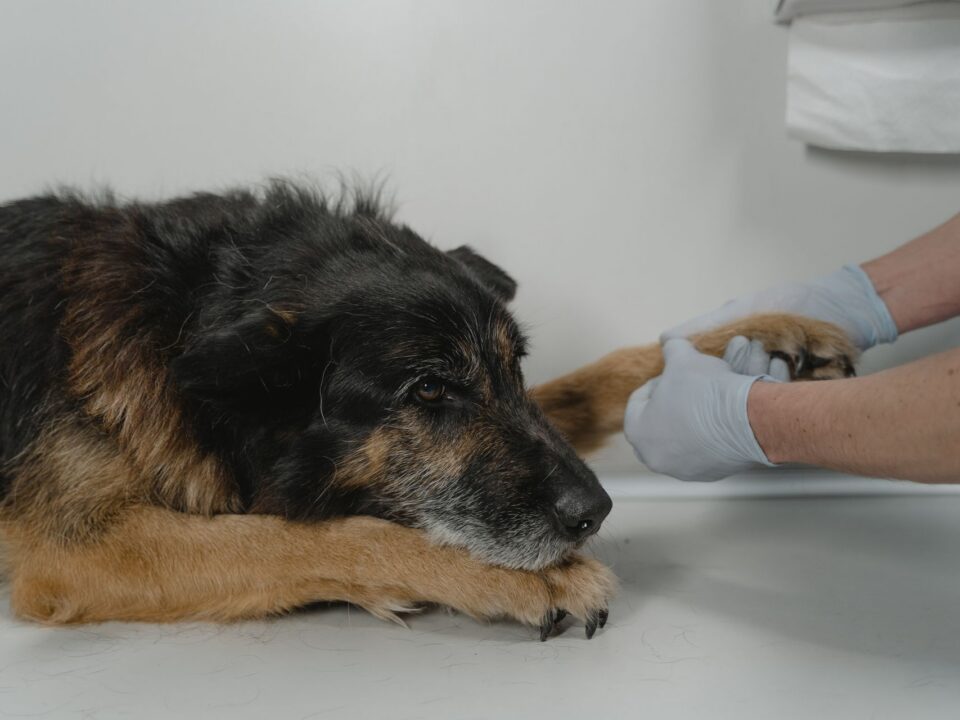
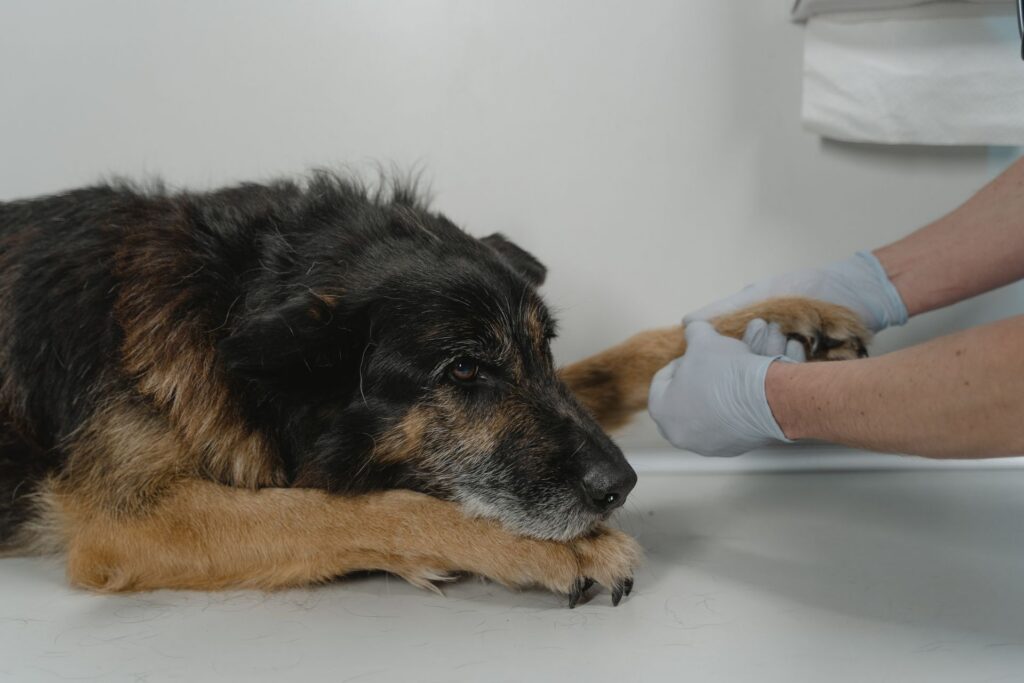
Determining why a cat has stopped eating generally begins with a physical examination and a discussion of recent symptoms.
A veterinarian may evaluate the cat’s mouth, teeth, abdomen, hydration, body weight, and overall physical condition.
Depending on the findings, diagnostic tests may include bloodwork, urinalysis, X-rays, or abdominal ultrasound.
These examinations can help identify kidney problems, digestive disorders, infections, metabolic conditions, and other potential causes of appetite loss.
More advanced diagnostic testing may be recommended when initial examinations do not provide a clear explanation.
At Miami Veterinary Specialists, our specialty veterinary services support the evaluation and treatment of complex medical conditions requiring advanced diagnostic resources.
Treatment depends on the underlying cause of appetite loss.
Cats experiencing nausea or gastrointestinal problems may require medication and supportive care. Dental conditions may require specialized oral treatment, while kidney disease often involves ongoing medical management.
In some cases, hospitalization may be necessary to address dehydration, electrolyte abnormalities, or other complications.
Cats that are unable to consume adequate nutrition may also require veterinarian-supervised nutritional support, including feeding tubes in certain situations.
The primary goal is to address the underlying medical problem while restoring appropriate nutritional intake.
If your cat is eating less than usual, there are a few steps you can take while arranging veterinary guidance.
Offering familiar food in a quiet environment may help reduce feeding-related stress. Slightly warming wet cat food can increase its aroma and make it more appealing.
Providing fresh water and maintaining a consistent feeding routine may also encourage normal eating behavior.
Avoid making abrupt dietary changes, administering medications without veterinary instructions, or attempting to force-feed your cat.
If your cat continues refusing food, veterinary evaluation is more appropriate than repeatedly experimenting with different feeding methods.
Changes in appetite can be an early indication of medical conditions that require advanced veterinary attention.
Miami Veterinary Specialists provides diagnostic, emergency, and specialty veterinary services for cats experiencing gastrointestinal disorders, internal medical conditions, and other complex health concerns.
Our veterinary team works to identify underlying problems and determine appropriate treatment options based on each patient’s needs.
If your cat has stopped eating, is experiencing unexplained weight loss, or displays other concerning symptoms, contact Miami Veterinary Specialists for veterinary guidance.
Early diagnosis and appropriate treatment can help address serious medical conditions and support your cat’s long-term health.