305-665-2820
Emergency & Appointments
Open 24-Hours
24 / 7 / 365 Days Year
8601 Sunset Dr. Miami, Fl.
Hospital Location
305-665-2820
Emergency & Appointments


A cat repeatedly entering the litter box without producing much urine may appear to have a minor urinary problem, but in some cases, it can signal a life-threatening emergency.
A urinary blockage occurs when a cat is unable to pass urine normally because the urethra becomes partially or completely obstructed.
Male cats are particularly vulnerable because their urethra is longer and narrower than that of female cats. A complete obstruction can quickly cause dangerous changes in electrolyte levels and kidney function.
Recognizing the signs early and seeking immediate veterinary care can be critical.
Urine is produced by the kidneys, stored in the bladder, and eliminated through a tube called the urethra.
A urinary blockage occurs when something prevents urine from passing through the urethra.
The obstruction may be caused by inflammatory material, mucus, crystals, urinary stones, or a combination of factors.
When the urethra is completely blocked, urine continues to accumulate in the bladder but cannot leave the body.
This creates increasing pressure within the urinary tract and can cause dangerous chemical and metabolic changes.
A complete urinary obstruction is a veterinary emergency.
Early signs can sometimes look similar to constipation or a less severe urinary tract problem.
Watch for:
As the condition progresses, cats may become increasingly ill.
More severe signs can include:
If your cat is repeatedly straining and you cannot confirm that urine is being produced, seek veterinary care immediately.
Male cats have a narrower urethra than female cats.
Near the end of the urinary tract, the urethra becomes particularly narrow, which makes it easier for inflammatory debris, crystals, or small stones to create an obstruction.
Neutered and unneutered male cats can both develop urinary blockages.
Although female cats can experience urinary tract disease and bladder inflammation, complete obstruction is far more common in males.
Several different problems can contribute to an obstruction.
A urethral plug may contain mucus, inflammatory material, crystals, or other debris.
These plugs can become lodged in the urethra and prevent normal urine flow.
Minerals can form microscopic crystals in the urine.
Crystals do not always cause symptoms by themselves, but they may contribute to irritation or blockage in some cats.
Some cats develop mineral deposits large enough to form stones.
Stones can irritate the bladder or move into the urethra and create an obstruction.
Cats can develop significant lower urinary tract inflammation even when no infection or stone is present.
Inflammation can narrow the urethra and contribute to the formation of obstructive material.
Stress is associated with some forms of feline lower urinary tract disease.
Changes in routine, new pets, environmental conflict, moving, or other stressful events may contribute to urinary symptoms in susceptible cats.
No, but it should never be ignored.
Cats may strain because of bladder inflammation, urinary stones, infection, constipation, or other medical problems.
The problem is that a complete obstruction can initially look very similar to less severe urinary disease.
Pet owners generally cannot determine the difference safely at home.
If a male cat is repeatedly attempting to urinate but producing little or no urine, it is safest to treat the situation as an emergency.
A complete obstruction prevents the body from eliminating urine normally.
As pressure builds, kidney function can become impaired.
Potassium and other electrolytes may also rise to dangerous levels.
Severe electrolyte abnormalities can interfere with normal heart function and contribute to weakness, collapse, or death.
This progression can occur relatively quickly, which is why urinary obstruction requires immediate veterinary treatment rather than waiting for symptoms to resolve.
Diagnosis begins with a physical examination.
A veterinarian may feel a firm, enlarged, and painful bladder in a blocked cat.
Blood testing is often performed to evaluate kidney values, electrolyte levels, hydration, and other abnormalities.
Urinalysis may also provide information about crystals, blood, inflammation, infection, and urine concentration.
Imaging such as X-rays or ultrasound may be recommended to look for bladder stones or other abnormalities.
Treatment focuses first on relieving the obstruction and stabilizing the cat.
A veterinarian usually places a urinary catheter to allow urine to leave the bladder.
This procedure commonly requires sedation or anesthesia.
The catheter may remain in place temporarily while inflammation decreases and urine production is monitored.
Blocked cats are often dehydrated or have abnormal electrolyte levels.
Intravenous fluids help support kidney function, restore hydration, and correct metabolic imbalances.
Urinary obstruction and bladder inflammation can be extremely painful.
Pain medication is an important part of treatment.
Many cats remain hospitalized after the blockage has been relieved.
Veterinary teams may monitor urine production, kidney values, electrolyte levels, bladder function, and the cat’s ability to urinate after the catheter is removed.
Unfortunately, yes.
Cats that have experienced one urinary obstruction may be at risk of another.
Long-term management depends on the suspected underlying cause.
Your veterinarian may recommend:
Pet owners should follow veterinary dietary recommendations carefully because different urinary conditions may require different nutritional approaches.
Maintaining good hydration can support urinary health.
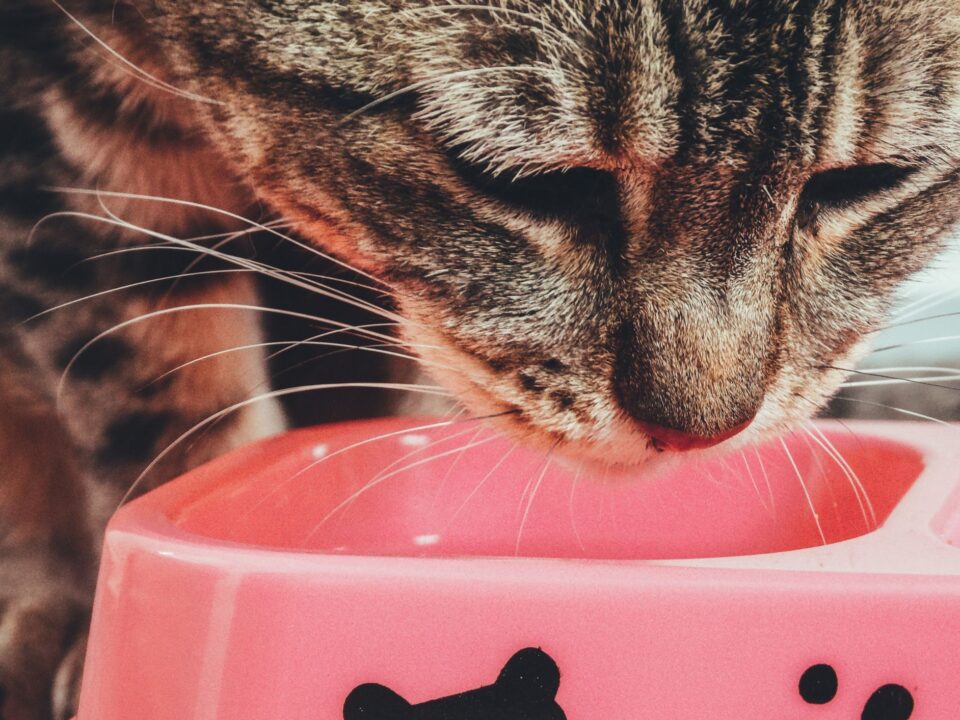
Some cats naturally drink very little, particularly when eating mostly dry food.
Strategies that may help include:
The best approach depends on your cat’s preferences and medical needs.
Seek immediate veterinary care if your cat:
Do not wait until the next morning or assume the cat is constipated.
An inability to urinate is a true veterinary emergency.
Urinary obstruction can become life-threatening quickly, particularly in male cats.
Miami Veterinary Specialists provides 24-hour emergency veterinary care for cats and dogs requiring urgent evaluation and treatment.
If your cat is repeatedly straining in the litter box, producing little or no urine, vomiting, becoming weak, or showing other signs of a possible urinary blockage, seek emergency veterinary care immediately.
Our emergency and specialty veterinary teams can evaluate the urinary tract, perform diagnostic testing, stabilize your cat, and provide treatment based on the severity and underlying cause of the obstruction.