HBOT Hyperbaric Oxygen Therapy For Pets
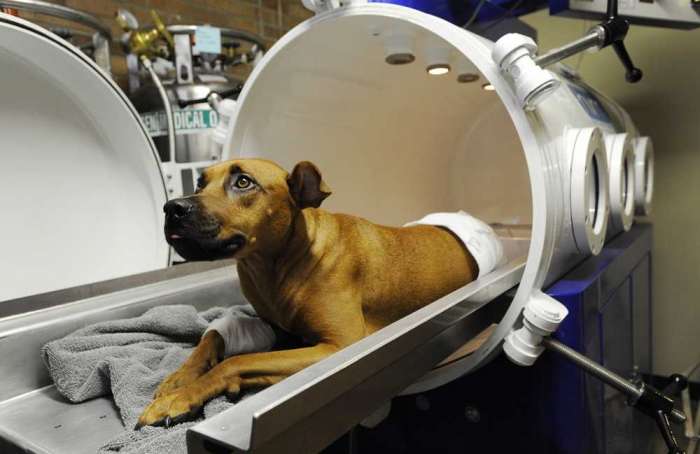
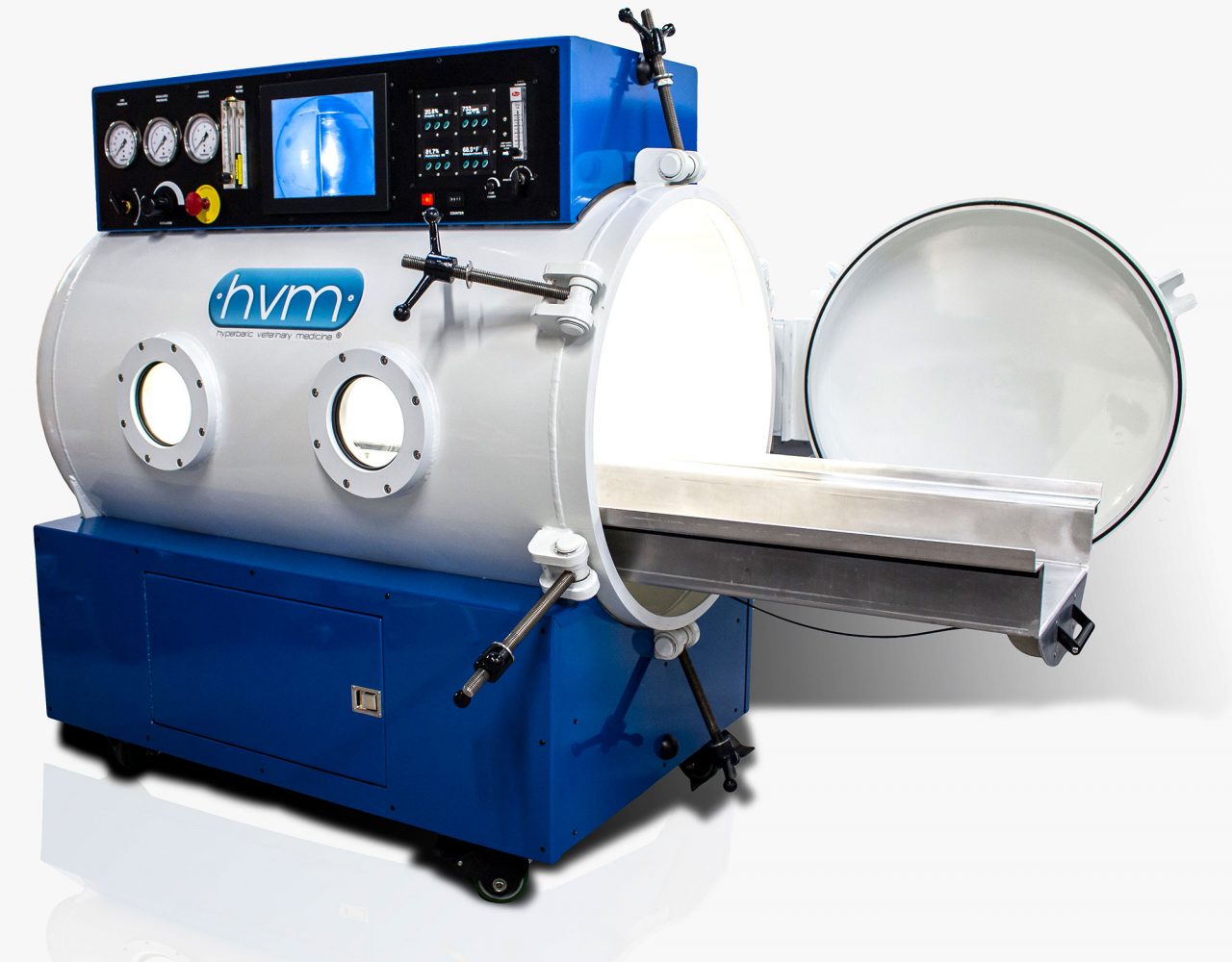
Hyperbaric oxygen therapy, often called HBOT, is an advanced treatment option that may be used to support healing in pets with certain wounds, injuries, inflammatory conditions, infections, and recovery needs. During treatment, a pet is placed in a specially designed chamber where they breathe oxygen in a pressurized environment. This allows oxygen to reach tissues more effectively than it can under normal conditions, which may help support the body’s natural healing process.
At Miami Veterinary Specialists, hyperbaric oxygen therapy is provided in a controlled specialty hospital setting. Because HBOT involves pressurized oxygen and specific safety protocols, it should only be performed when recommended by a veterinarian and monitored by trained veterinary professionals. For the right patient, it can be a valuable part of a larger treatment plan that may also include surgery, wound care, medication, pain management, diagnostics, or ongoing specialty care.
How Hyperbaric Oxygen Therapy Works
Oxygen plays an important role in tissue repair. When a pet has an injury, infection, wound, or area of inflammation, oxygen delivery to the affected tissue may be limited. Swelling, damaged blood vessels, infection, or trauma can make it harder for oxygen to reach the area where the body needs it most.
Hyperbaric oxygen therapy increases the amount of oxygen available in the bloodstream. Under pressure, oxygen can dissolve more effectively into the plasma, which helps deliver oxygen to tissues that may have poor circulation or reduced oxygen supply. This can help support cell repair, reduce swelling, and improve the environment for healing.
HBOT is not used as a standalone replacement for proper veterinary treatment. Instead, it is often used alongside other therapies to support recovery and improve tissue oxygenation when a veterinarian determines that it may be beneficial.
When HBOT May Be Recommended for Pets
Hyperbaric oxygen therapy may be considered for a range of conditions where improved oxygen delivery could support healing. Veterinary hospitals may use HBOT as part of care for complex wounds, traumatic injuries, certain infections, burns, post-surgical recovery, and some neurologic or inflammatory conditions. Common veterinary indications may include non-healing wounds, soft tissue trauma, crush injuries, burns, post-operative healing concerns, and some neurologic injuries.
For pet owners, HBOT may be discussed when a wound is slow to heal, tissue damage is severe, swelling is interfering with recovery, or a pet needs additional supportive care after surgery or trauma. Every case is different, and not every pet is a candidate for hyperbaric oxygen therapy. The veterinary team will evaluate your pet’s diagnosis, stability, comfort level, and overall treatment plan before recommending HBOT.
HBOT may be considered for pets with:
- Complex wounds or delayed wound healing
- Traumatic injuries or tissue swelling
- Burns, crush injuries, or certain bite wounds
- Post-surgical healing support
- Some neurologic or inflammatory conditions
Because HBOT is only one part of care, your pet may still need additional diagnostics, medication, surgery, bandage care, rehabilitation, or follow-up appointments depending on the condition being treated.
What to Expect During a Treatment Session
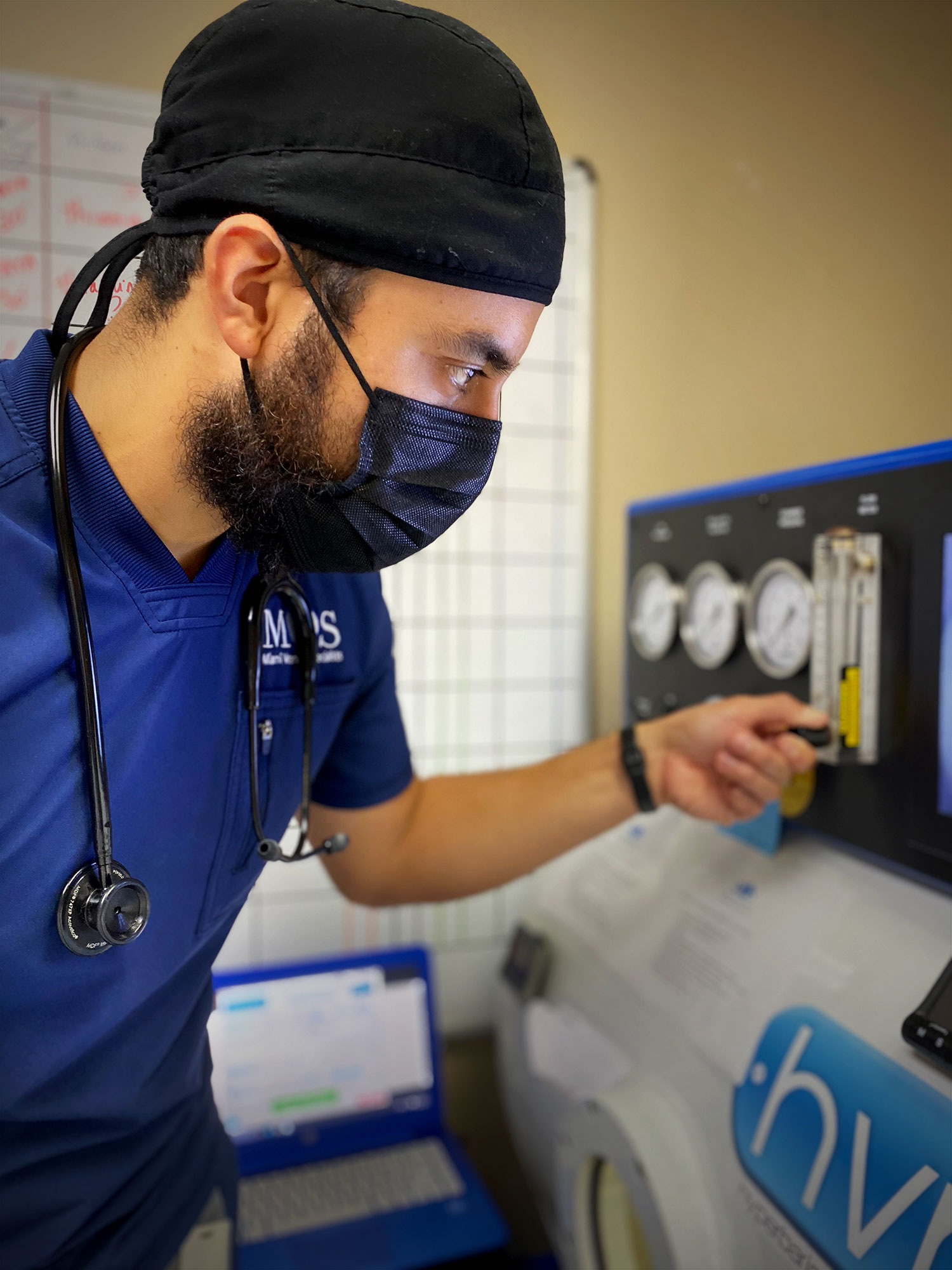
Before a hyperbaric oxygen therapy session begins, the veterinary team prepares the patient and the chamber. This may include checking temperature, vital signs, comfort, and any condition-specific concerns. Once your pet is ready, they are placed in the chamber and the pressure is gradually adjusted to the prescribed level.
Average HBOT sessions may last between 1 and 2 hours. Preparation and chamber setup typically take additional time, and the treatment itself includes a period at the required pressure level. Throughout the process, trained staff follow established safety protocols and monitor the patient closely.
Most pets rest during treatment. The experience is designed to be calm and controlled, and the team works to keep each patient as comfortable as possible. The number of treatments recommended depends on the condition being treated, the severity of the problem, and how your pet responds over time. Some pets may benefit from a short series of sessions, while others may need a more customized treatment schedule.
Why Specialty Supervision Matters
Hyperbaric oxygen therapy requires more than a chamber. It requires careful patient selection, appropriate treatment planning, trained staff, monitoring, and safety procedures. Pets receiving HBOT may already be recovering from a serious injury, surgery, infection, or medical condition, so their care must be coordinated with the rest of their treatment plan.
At Miami Veterinary Specialists, HBOT can be integrated with specialty veterinary services when appropriate. This is important because many pets who may benefit from oxygen therapy also need advanced diagnostics, surgical care, internal medicine support, pain management, or emergency monitoring. Having access to a specialty team allows treatment decisions to be made with the full picture of your pet’s health in mind.
Call us to Schedule an HBOT Session .
When a pet is injured, recovering from surgery, or dealing with a difficult wound, healing can be complicated. Hyperbaric oxygen therapy may help support recovery by improving oxygen availability to tissues that need it. While it is not right for every patient, it can be an important supportive therapy for pets with certain medical needs.
If your pet has a wound that is not healing as expected, has experienced trauma, or may benefit from additional recovery support, the team at Miami Veterinary Specialists can help determine whether hyperbaric oxygen therapy is appropriate. With advanced technology, trained veterinary professionals, and a specialty hospital environment, MVS provides HBOT as part of a thoughtful and closely supervised approach to pet care.