305-665-2820
Emergency & Appointments
Open 24-Hours
24 / 7 / 365 Days Year
8601 Sunset Dr. Miami, Fl.
Hospital Location
305-665-2820
Emergency & Appointments


Arthritis is one of the most common causes of chronic pain and mobility changes in dogs and cats, especially as pets get older. While some pets develop obvious limping, others show much more subtle signs. A dog may take longer to stand up after resting. A cat may stop jumping onto favorite furniture. A pet that once moved easily through the home may begin slowing down, sleeping more, or avoiding certain activities.
Because arthritis can progress gradually, many pet owners assume these changes are a normal part of aging. While older pets may naturally become less active, pain, stiffness, and reduced mobility should not be ignored. Arthritis can affect your pet’s comfort, movement, behavior, and quality of life, but early recognition can help your veterinarian recommend care that supports better daily comfort.
Arthritis, also called degenerative joint disease or osteoarthritis, occurs when the joints become inflamed and painful. In healthy joints, cartilage helps cushion the bones and allows smooth movement. Over time, injury, abnormal joint development, age-related wear, excess weight, or certain orthopedic conditions can damage cartilage and lead to inflammation.
As the joint becomes less comfortable, pets may change how they move. They may shift weight away from painful joints, avoid stairs, resist play, or become less willing to jump, run, or walk. Arthritis can affect one joint or multiple joints, including the hips, knees, elbows, shoulders, spine, and paws.
Dogs often show arthritis through changes in movement or activity level. Some symptoms may be easy to notice, while others may appear slowly over time.
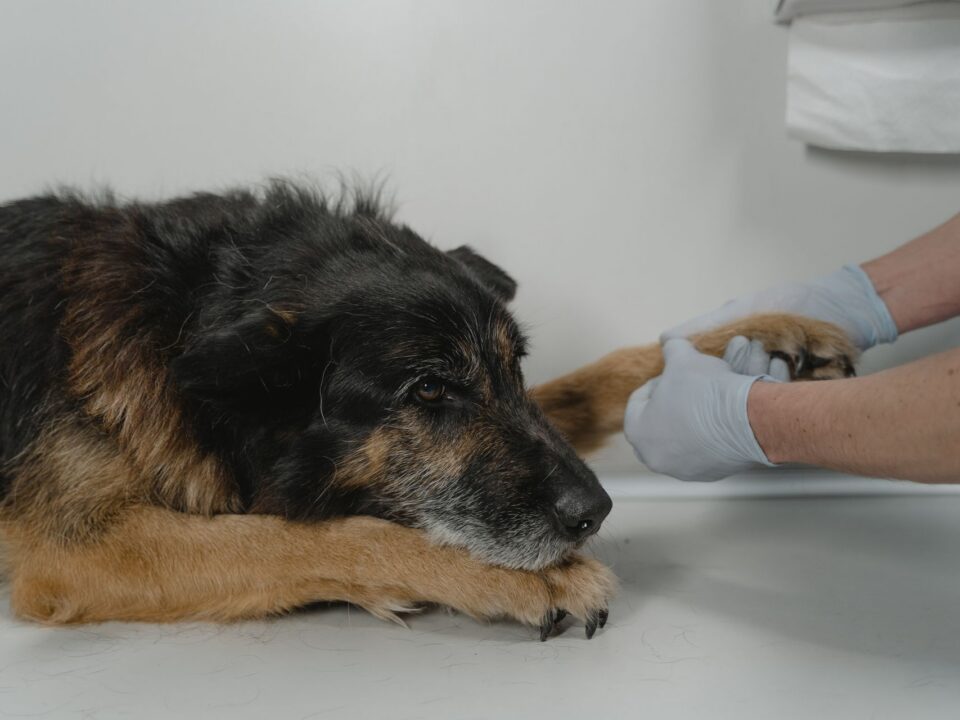
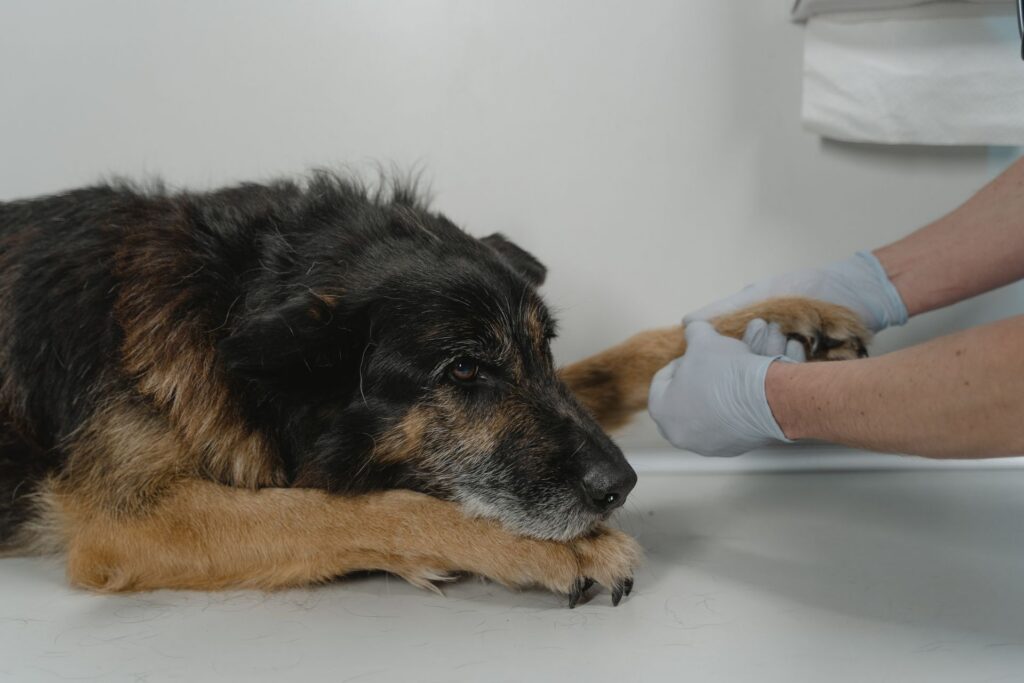
A dog with arthritis may limp, walk stiffly, or have difficulty standing after lying down. You may notice that your dog hesitates before climbing stairs, jumping into the car, getting onto furniture, or going for a walk. Some dogs become less interested in play, tire more quickly, or lag behind during normal activity.
Other signs can include:
Some dogs also lick or chew at painful joints. Others may become more withdrawn, restless, or sensitive when handled. These behavior changes may be signs of discomfort, especially if they are new or worsening.
Cats are very good at hiding pain, so arthritis can be harder to recognize. Instead of limping clearly, a cat may change their habits. They may stop jumping onto counters, beds, windowsills, or favorite resting spots. They may sleep in lower areas because climbing is uncomfortable.
Cats with arthritis may also have trouble getting in and out of the litter box. If the sides of the box are too high or the box is located upstairs, they may begin urinating or defecating outside the box. This behavior is sometimes mistaken for a training or behavior issue, but pain can be an underlying cause.
Other signs of arthritis in cats may include:
Because these signs can also be caused by other medical conditions, cats with behavior or mobility changes should be evaluated by a veterinarian.
It is common for pet owners to think stiffness or slowing down is simply part of getting older. However, age itself is not the same as pain. A senior pet may move more slowly, but they should not be struggling, limping, or avoiding normal activities because of discomfort.
Arthritis can affect pets of many ages, although it is more common in middle-aged and senior pets. Large and giant breed dogs may be more prone to joint problems, especially in the hips and elbows. Pets with previous injuries, orthopedic conditions, excess weight, or abnormal joint development may also have a higher risk.
Recognizing arthritis early gives your veterinarian more options to help manage pain, support joint health, and maintain mobility.
Extra weight places additional stress on your pet’s joints. For dogs and cats with arthritis, even a small amount of excess weight can make movement more difficult and increase discomfort. Weight management is often one of the most important parts of arthritis care.
If you are unsure whether your pet is at a healthy weight, ask your veterinarian for guidance. Your veterinary team can evaluate your pet’s body condition and recommend a safe plan if weight loss is needed. Crash dieting or reducing food without guidance can be risky, especially for cats and pets with underlying medical conditions.
A veterinarian may suspect arthritis based on your pet’s history, symptoms, physical exam, and mobility changes. During the exam, they may check your pet’s joints, range of motion, muscle condition, posture, and pain response.
Diagnostic testing may be recommended to confirm arthritis or rule out other causes of pain. X-rays are commonly used to evaluate joint changes, but additional diagnostics may be needed if your pet’s symptoms suggest injury, neurologic disease, cancer, infection, or another medical problem.
Because limping, weakness, stiffness, and behavior changes can have many causes, it is important not to assume arthritis is the only explanation.
Arthritis is usually managed with a combination of strategies. The right plan depends on your pet’s age, weight, diagnosis, pain level, lifestyle, and overall health. Your veterinarian may recommend weight management, controlled exercise, joint-supportive nutrition, medications, supplements, physical rehabilitation, environmental changes, or other therapies.
Never give your pet human pain medication unless a veterinarian specifically tells you to do so. Many common over-the-counter medications can be dangerous or even life-threatening for dogs and cats.
At home, small changes can make daily life easier. Pet ramps, non-slip rugs, orthopedic bedding, raised food and water bowls, low-entry litter boxes, and limiting slippery surfaces may help reduce strain on painful joints.
Schedule a veterinary evaluation if your pet is limping, struggling to stand, avoiding stairs, no longer jumping, sleeping more than usual, showing signs of pain, or acting differently when touched. You should also seek care if your cat begins missing the litter box or if your dog suddenly refuses normal activity.
Emergency care may be needed if your pet cannot stand, cries out in pain, suddenly becomes weak, drags a limb, collapses, or has a traumatic injury.
Miami Veterinary Specialists provides advanced veterinary care for pets with complex medical needs, including conditions that may require specialty evaluation, diagnostics, pain management, or additional treatment planning. If your pet is showing signs of arthritis or another mobility concern, early evaluation can help identify the cause and guide the next step in care.
Arthritis can be painful, but it does not have to be ignored as a normal part of aging. By watching for subtle changes and working with your veterinary team, you can help your dog or cat stay more comfortable, mobile, and supported as their needs change.