305-665-2820
Emergency & Appointments
Open 24-Hours
24 / 7 / 365 Days Year
8601 Sunset Dr. Miami, Fl.
Hospital Location
305-665-2820
Emergency & Appointments


Living in Miami means warm weather and opportunities to get outside with your dog throughout most of the year. However, high temperatures and humidity can also make routine walks, runs, and outdoor play more dangerous. Dogs can overheat quickly, particularly during strenuous activity or prolonged exposure to hot weather.
Understanding how heat affects dogs and adjusting your pet’s exercise routine can help reduce the risk of heat exhaustion, heatstroke, burned paw pads, and other warm-weather emergencies.
Dogs regulate their body temperature differently than people. Panting is one of their primary ways of releasing excess heat, but this cooling system can become less effective when temperatures and humidity are high.
Exercise generates additional body heat. A walk or game that may be comfortable during cooler weather can become much more demanding on a hot South Florida afternoon.
Some dogs are also more susceptible to overheating. Flat-faced breeds such as Bulldogs, French Bulldogs, Pugs, and Boston Terriers may have more difficulty cooling themselves effectively. Senior dogs, puppies, overweight pets, dogs with thick coats, and pets with certain medical conditions may also need additional precautions.
Whenever possible, schedule longer walks and outdoor exercise for the cooler parts of the day.
Early morning and evening outings can help reduce your dog’s exposure to intense midday heat and direct sunlight. Keep walks shorter when temperatures are particularly high, and consider replacing strenuous outdoor activities with indoor play or mental enrichment.
Pay attention to humidity as well as temperature. A humid day can make it more difficult for a dog to cool down through panting, even when the temperature does not seem extreme.
Air temperature is not the only concern. Pavement, concrete, asphalt, and other outdoor surfaces exposed to direct sunlight can become extremely hot.
Before walking your dog, check the surface yourself. If the pavement feels uncomfortably hot to your hand, choose a cooler route, walk on grass when possible, or postpone the outing.
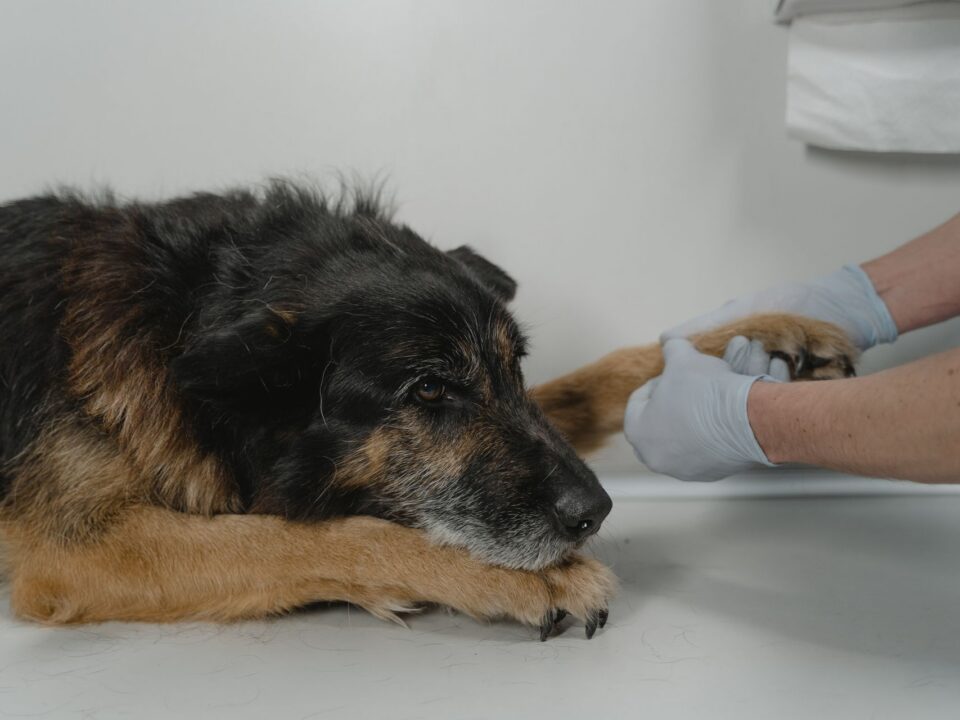
Paw pad injuries may cause limping, sensitivity, redness, blistering, or reluctance to walk. Dogs experiencing significant paw injuries should be evaluated by a veterinarian.
Make sure your dog has access to fresh water before and after exercise. Bring portable water for longer walks, trips to the park, or other outdoor activities.
Take regular breaks in a shaded or air-conditioned location and avoid pushing your dog to continue exercising when they appear tired.
Dogs do not always know when they have reached their physical limit, particularly when they are excited about playing, running, or spending time with their owners.
Begin gently cooling your pet with cool water while contacting a veterinarian. Avoid using ice-cold water or covering the dog with heavy wet towels that could trap heat.
Most importantly, seek veterinary care immediately when heatstroke is suspected. A dog may require medical monitoring and treatment even if they appear to improve after initial cooling.
South Florida’s climate does not mean your dog has to stay inside all summer. A few adjustments to when, where, and how your dog exercises can significantly reduce warm-weather risks.
Choose cooler times of day, provide plenty of water, avoid hot pavement, and closely monitor your dog’s behavior during every outdoor activity.
If your dog shows signs of severe overheating, weakness, collapse, breathing difficulty, or another urgent medical problem, Miami Veterinary Specialists provides emergency veterinary care for pets requiring immediate evaluation and treatment.