305-665-2820
Emergency & Appointments
Open 24-Hours
24 / 7 / 365 Days Year
8601 Sunset Dr. Miami, Fl.
Hospital Location
305-665-2820
Emergency & Appointments


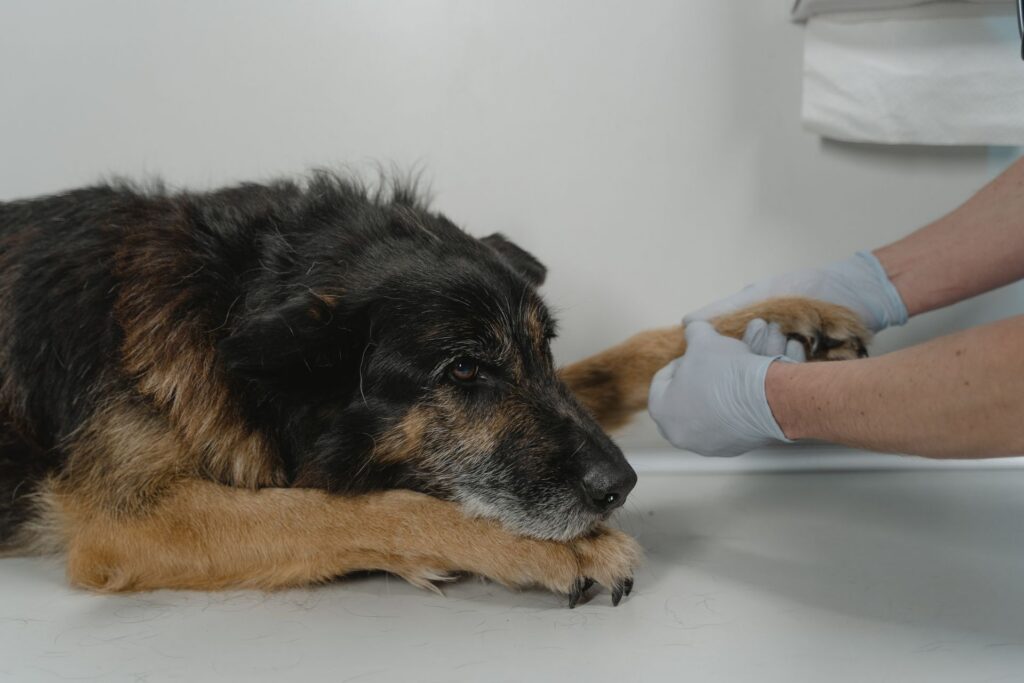
Dogs and cats cannot explain when something hurts, and many animals instinctively conceal signs of discomfort. A pet experiencing pain may continue eating, walking, or interacting with family members even while dealing with an underlying medical problem.
Recognizing subtle changes in behavior and physical activity can help pet owners identify potential health concerns before they become more serious. While some symptoms are obvious, such as limping or crying out, others are easily mistaken for normal aging or temporary changes in mood.
Understanding what to look for can help you determine when your dog or cat needs veterinary attention.
Animals do not always express discomfort in ways people expect. Some become withdrawn, while others grow unusually restless or seek additional attention.
Cats are particularly skilled at concealing physical discomfort. Instead of vocalizing, a cat experiencing pain may spend more time hiding, stop jumping onto furniture, or become less interested in grooming.
Dogs may also demonstrate unexpected behavioral changes. A normally energetic dog might become reluctant to play, avoid climbing stairs, or hesitate before standing.
Because every animal behaves differently, identifying pain often involves recognizing changes from their usual routine.
Physical discomfort can affect nearly every aspect of a dog’s daily activities.
One of the clearest indicators of pain is a change in how a dog moves. Limping, stiffness, difficulty standing, or reluctance to exercise can indicate orthopedic injuries, joint problems, or other medical conditions.
Dogs experiencing back or neck pain may also develop unusual postures, lower their heads, or avoid certain movements.
Pain can make even friendly dogs unusually irritable. Some animals become less interested in attention, while others react defensively when touched.
Additional warning signs include restlessness, excessive licking of a particular area, reduced appetite, and difficulty finding a comfortable resting position.
Whining, whimpering, or unusual vocalization may indicate discomfort, although some dogs remain completely silent.
Persistent panting while resting in a comfortable environment can also accompany pain or other medical conditions.
These symptoms should be evaluated in the context of the animal’s overall behavior and health.
Cats often demonstrate discomfort through changes in habits rather than obvious physical symptoms.
A cat experiencing pain may stop using favorite resting areas, become less interested in climbing, or spend additional time hiding.
Changes in grooming can also provide clues. Some cats neglect their coats, while others repeatedly lick an uncomfortable area.
A sudden change in litter box habits can indicate urinary problems, arthritis, or other painful conditions.
Unusual aggression, reduced appetite, and decreased interaction with family members should also prompt closer attention.
Although these symptoms do not always indicate pain, persistent behavioral changes warrant veterinary evaluation.
Pain generally falls into two broad categories.
Acute pain develops suddenly and is often associated with injuries, surgical procedures, or medical emergencies. Examples include fractures, traumatic wounds, and certain abdominal conditions.
Chronic pain persists over time and may develop gradually. Arthritis, degenerative spinal conditions, and other long-term medical problems can cause ongoing discomfort.
Chronic pain can be particularly difficult to identify because animals may gradually adjust their activities to avoid painful movements.
A dog that stops jumping onto the couch or a cat that begins sleeping exclusively on the floor may be demonstrating an early sign of a mobility-related problem.
Any persistent or unexplained signs of pain deserve veterinary attention.
Sudden paralysis, collapse, severe breathing difficulty, extreme abdominal discomfort, or significant traumatic injuries require immediate emergency evaluation.
For less urgent changes, such as gradual stiffness or reduced activity, scheduling a veterinary examination can help determine whether an underlying condition is developing.
Veterinarians may recommend physical examinations, blood testing, diagnostic imaging, or specialized evaluations depending on the symptoms.
Never administer human pain medications without veterinary guidance. Common medications intended for people can cause serious toxicity in dogs and cats.
Some painful conditions require advanced diagnostic testing or treatments beyond routine veterinary care.
Orthopedic injuries, neurological disorders, and complicated internal conditions may benefit from evaluation by a veterinary specialist.
Miami Veterinary Specialists provides advanced diagnostic and specialty services for pets experiencing complex medical problems.
Depending on the diagnosis, treatment may involve medication, surgical intervention, rehabilitation recommendations, or other medical approaches.
Paying attention to small behavioral changes is one of the most valuable things pet owners can do.
Maintaining a consistent routine, monitoring mobility, providing comfortable resting areas, and scheduling regular veterinary examinations can help identify potential concerns.
If your dog or cat is displaying unexplained pain, changes in movement, or unusual behavior, Miami Veterinary Specialists can help evaluate conditions that may require advanced veterinary care.
Contact Miami Veterinary Specialists to learn more about available specialty and emergency veterinary services.